

Mastering JavaScript Promises: A Guide to Polyfills and Advanced Techniques
Mastering JavaScript Promises: A Guide to Polyfills and Advanced Techniques
Introduction: Unlocking JavaScript's Asynchronous Powers
Navigating JavaScript's asynchronous features can be complex, but mastering them significantly enhances your coding skills and application performance. In this guide, we delve into the essential tool of JavaScript promises, particularly focusing on how to implement polyfills for Promise.any, Promise.allSettled, and Promise.race. These tools are invaluable for web developers looking to handle multiple asynchronous operations more effectively.
Simplifying Promises
Promises in JavaScript are like contracts for future results from asynchronous operations. They help manage tasks that take time to finish, like fetching data from a server. However, different promises provide different utilities:
- Promise.any: Resolves when any of the provided promises resolve.
- Promise.allSettled: Resolves after all promises settle, regardless of whether they were fulfilled or rejected.
- Promise.race: Resolves or rejects as soon as one of the promises resolves or rejects.
Implementing Polyfills for Enhanced Compatibility
Sometimes, older browsers or environments don't support these newer Promise methods. That's where polyfills come in—let's explore how to implement them:
-
Polyfill for
Promise.anyif (!Promise.any) { Promise.any = function (promises) { return new Promise((resolve, reject) => { promises = Array.isArray(promises) ? promises : []; let errors = []; let resolved = false; promises.forEach((promise, index) => { promise.then(result => { if (!resolved) { resolved = true; resolve(result); } }).catch(error => { errors[index] = error; if (errors.length === promises.length) { reject(new AggregateError(errors, 'All promises were rejected')); } }); }); }); }; }Explanation: This code checks if
Promise.anyis not available and defines it. It tries to resolve as soon as any promise resolves. If all promises fail, it rejects with anAggregateError. -
Polyfill for
Promise.allSettledif (!Promise.allSettled) { Promise.allSettled = function (promises) { return Promise.all(promises.map(p => Promise.resolve(p).then(value => ({ status: 'fulfilled', value }), reason => ({ status: 'rejected', reason })))); }; }Explanation: This polyfill converts each promise to a new promise that resolves with an object indicating whether the original promise was fulfilled or rejected.
-
Polyfill for
Promise.raceif (!Promise.race) { Promise.race = function (promises) { return new Promise((resolve, reject) => { promises.forEach(promise => { Promise.resolve(promise).then(resolve, reject); }); }); }; }Explanation: This function resolves or rejects as soon as one of the input promises resolves or rejects.
Best Practices and Usage Scenarios
Using these polyfills not only ensures your applications work across all browsers but also improves their reliability. Here are scenarios when each polyfilled Promise method becomes particularly useful:
- Using
Promise.any: Ideal when you need a quick response from multiple backup data sources. - Applying
Promise.allSettled: Best for when you need to perform multiple operations that don’t depend on each other and handle their outcomes collectively. - Leveraging
Promise.race: Useful for timeout patterns, where you race your promise against a timeout and act on whatever completes first.
Conclusion: Enhance Your JavaScript Toolset
By understanding and implementing these advanced Promise features and their polyfills, you can handle asynchronous JavaScript more proficiently. This knowledge not only streamlines your development process but also prepares your applications to perform optimally across various environments. Dive into these techniques, and watch your applications become more robust and reliable.
Final Thought
Embrace these advanced promise techniques and polyfills to ensure your JavaScript projects remain cutting-edge and comprehensive. Are you ready to upgrade your asynchronous operations today?
If you enjoyed this article, consider supporting my work:
Ship AI features that survive real traffic
Start from the failure modes, choose the smallest architecture that holds up, and instrument the path before you scale it.
If you found this article helpful, consider buying me a coffee to support more content like this.
Related Articles
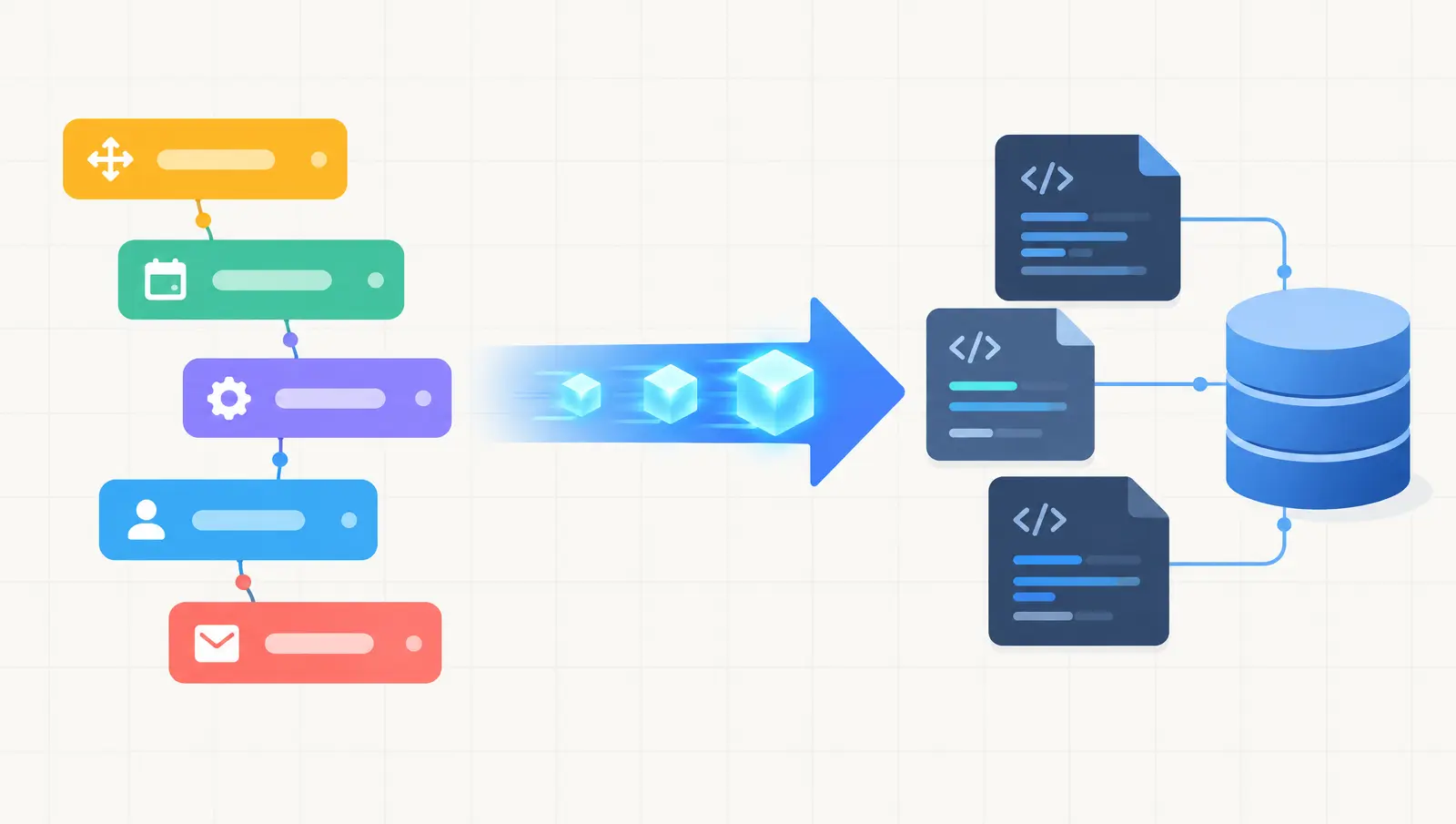
Thinking of moving a Bubble app to Next.js? Here is when it makes sense, the migration steps, what drives cost and timeline, and the risks to plan for.
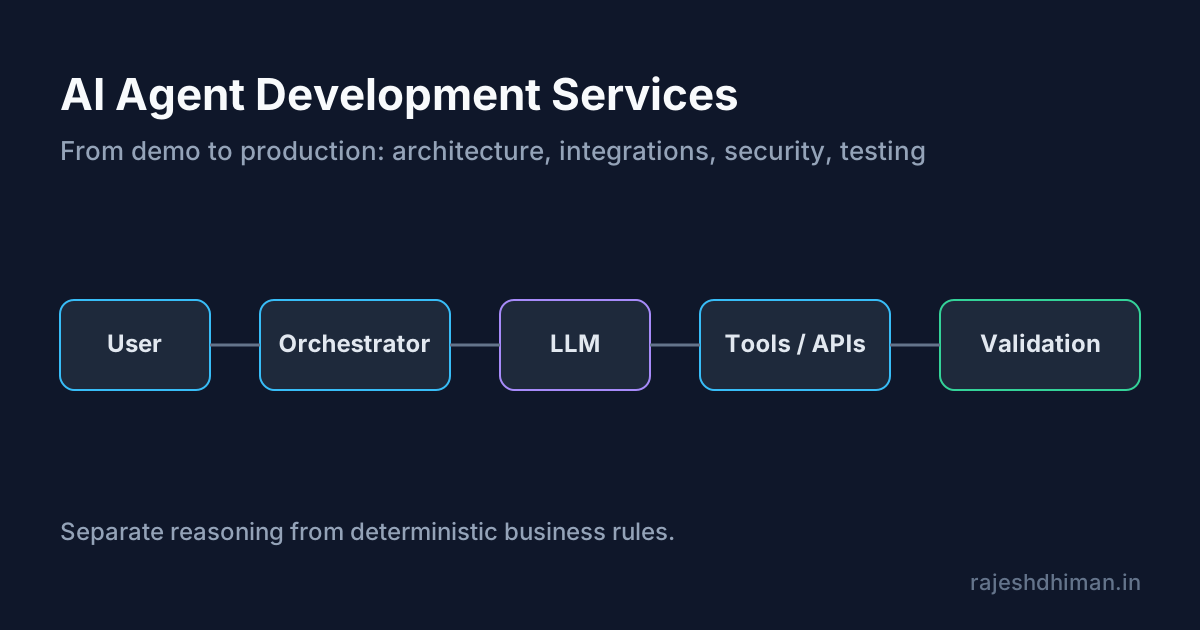
Explore AI agent development services for building reliable, production-ready AI agents. Learn about architecture, integrations, security, testing, deployment, and costs.
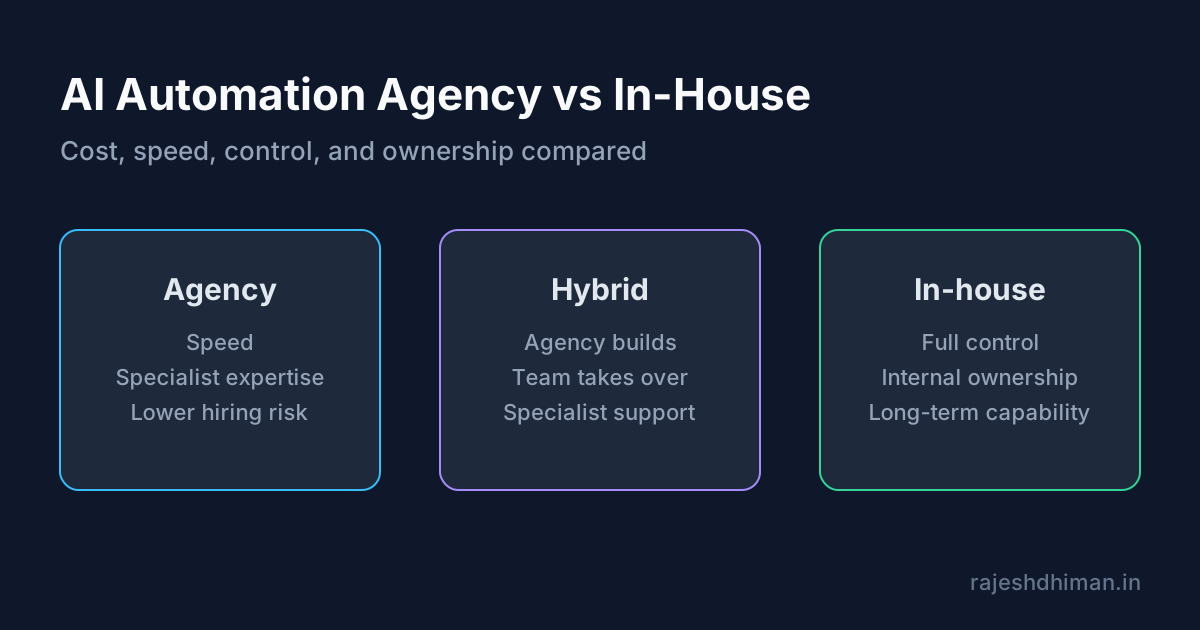
Compare an AI automation agency with in-house development. Learn about costs, services, benefits, risks, timelines, and how to choose the right approach.
Ship AI features that survive real traffic
Start from the failure modes, choose the smallest architecture that holds up, and instrument the path before you scale it.