

React & Next.js
React rewards knowing what actually happens during a render. This collection covers hooks, state management, re-renders, server components, and Next.js patterns, with examples you can apply to a production codebase.
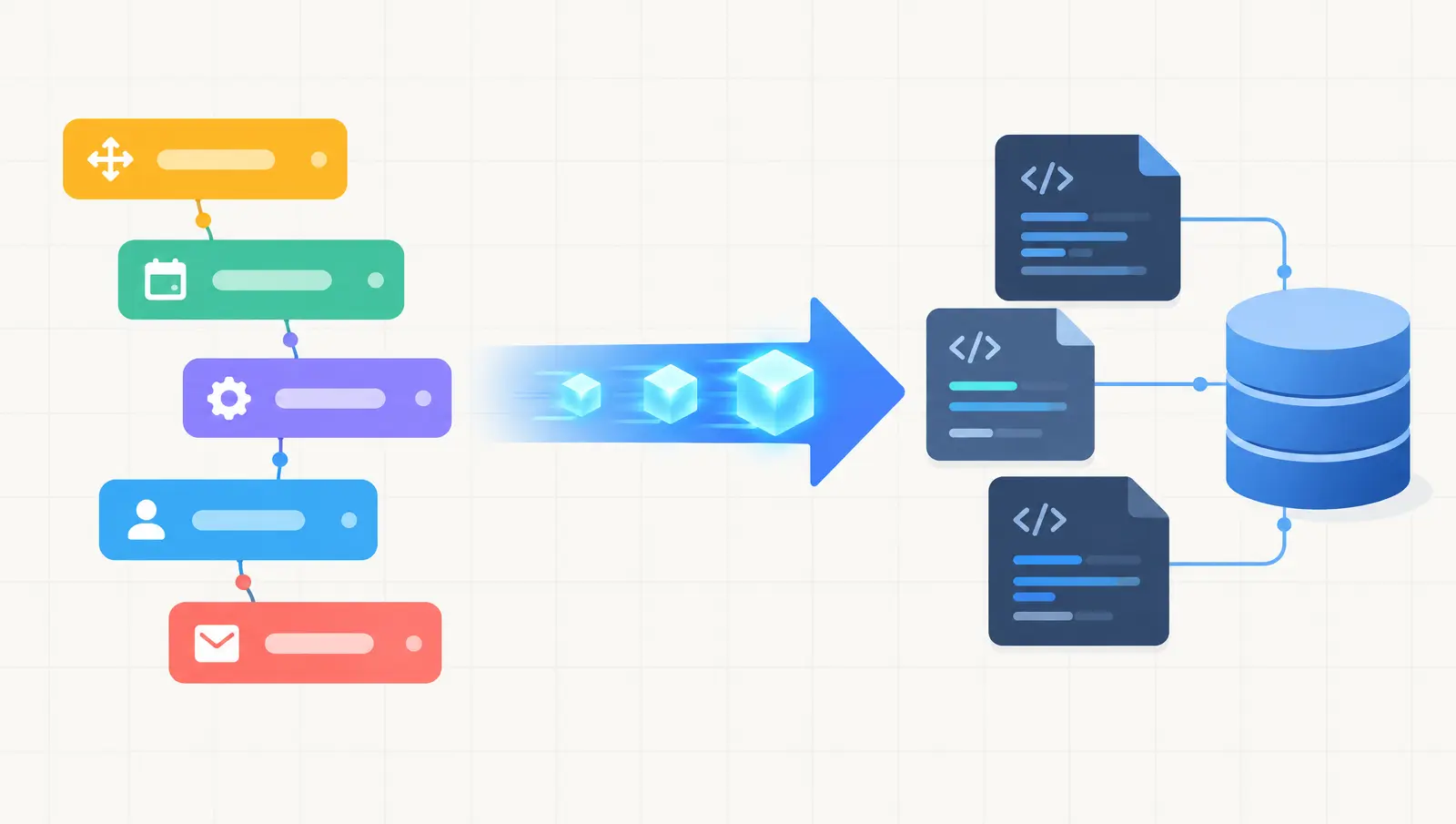
Thinking of moving a Bubble app to Next.js? Here is when it makes sense, the migration steps, what drives cost and timeline, and the risks to plan for.

After building dozens of client projects in both, here's the exact framework I use to pick between Webflow and Next.js — and why the answer is almost never obvious.
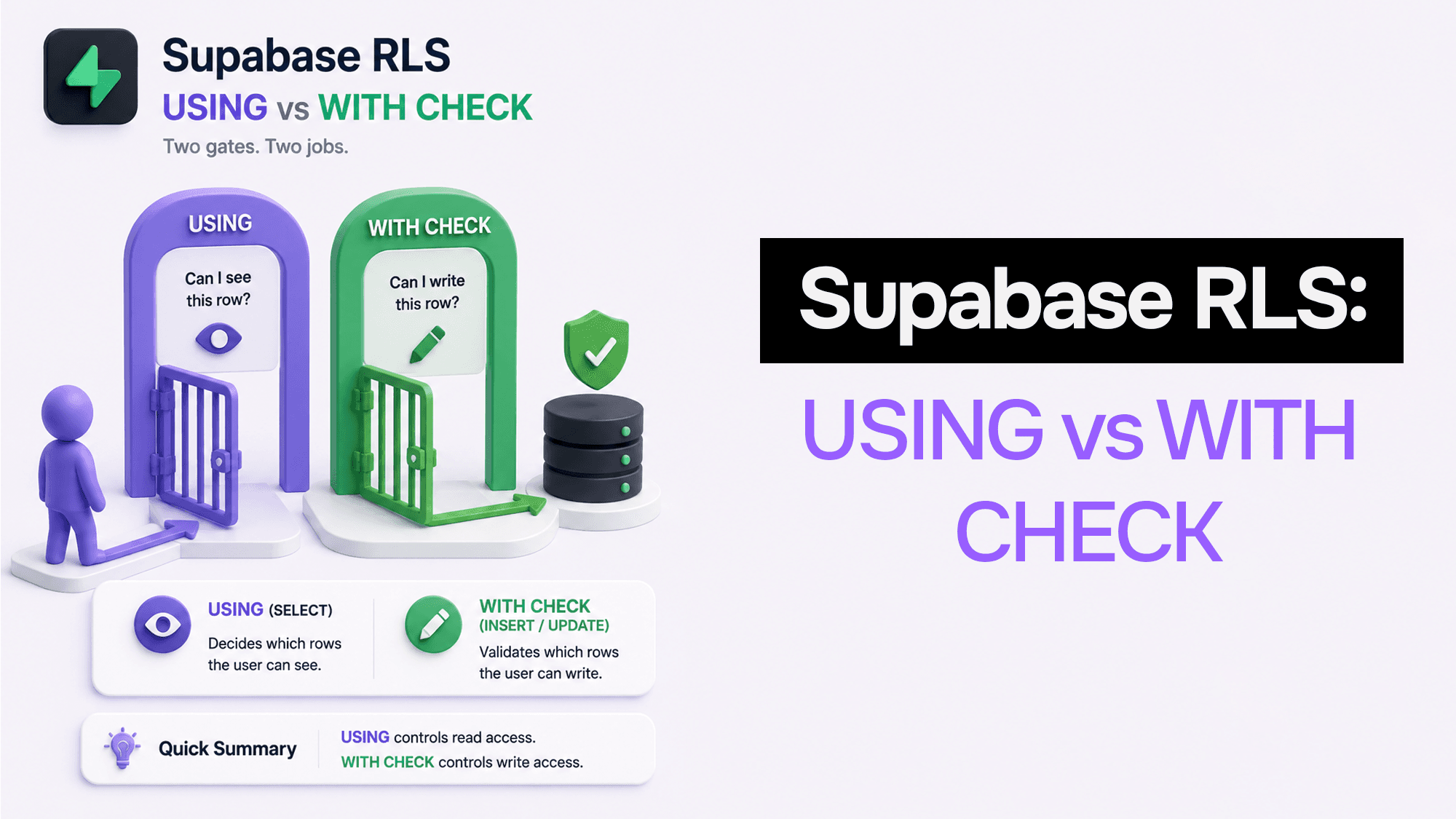
Supabase Row Level Security (RLS) is a Postgres feature that restricts which rows each user can read or write. Policy examples, USING vs WITH CHECK, Storage and Next.js SSR.

Unlock the power of tRPC and the T3 Stack for modern web development in 2025. Discover how type safe APIs, modular architecture, and the latest trends like AI integration and Jamstack are transforming how developers build fast, scalable, and maintainable applications.
Learn how to use Cursor Rules to make your AI write clean, readable code. This guide includes simple steps, practical examples, and tips to set up rules for your projects.

Learn the top React performance optimization techniques, including memoization, lazy loading, and using the React Profiler. Discover how to improve load times and reduce unnecessary re-renders.
Discover the key differences between React’s useEffect and useLayoutEffect hooks. Learn when to use each and avoid common pitfalls with this beginner-friendly guide.
Discover how React 18’s automatic batching minimizes re-renders and boosts performance. Learn the basics of batching, when to use flushSync, and how to optimize your React app.
Discover the future of server-side rendering with React Server Components. Learn how this experimental feature can transform your web applications by optimizing performance and simplifying data fetching.
Learn how to unlock the full potential of React 18’s server-side rendering with new features like streaming HTML and selective hydration. Boost performance and create faster, more interactive web applications with these SSR best practices.
Learn the basics of state management in React with this beginner-friendly guide. Understand the difference between app state and component state, and discover best practices to manage state effectively in large applications.
Learn when to use useState, useReducer, and useRef for state management in React applications. Discover the best practices and use cases for each React hook to manage state effectively.

Discover key strategies to maintain a clean and scalable codebase in frontend development. This guide covers modular design, the DRY principle, descriptive naming, and more to help you enhance project success and manageability.
Learn how to create and use custom hooks in React to streamline your components, reduce excessive useEffect usage, and improve code reusability. This guide offers practical steps to simplify your React applications with custom hooks.
Discover the hidden power of useRef in React. Learn how this essential hook optimizes performance, prevents unnecessary re-renders, and simplifies DOM manipulation for faster, more efficient apps
Learn how to master React re-renders and avoid common performance pitfalls in your applications. This guide dives into React’s re-rendering mechanism and offers practical optimization strategies, best practices, and tips to keep your apps fast and efficient.